A Cochrane-guided systematic review and meta-analysis of the evidence suggests psychostimulants typically used for conditions such as ADHD and narcolepsy may be of use in managing cancer-related fatigue.
They warrant consideration for carefully selected individuals living with cancer when nonpharmacologic strategies are insufficient or still taking effect, it said.
The meta-analysis, published in the Journal of the National Comprehensive Cancer Network [link here], evaluated the therapeutic role and safety profile of methylphenidate (MPH) and dexmethylphenidate (d-MPH).
MPH/d-MPH was administered as monotherapy at doses of 5–100 mg/day.
It found nine RCTs representing 923 patients met the eligibility criteria including validated outcome measures such as Functional Assessment of Chronic Illness Therapy-Fatigue (FACIT-F) score changes.
Findings
Across six RCTs reporting FACIT-F measurements over time, supportive treatment with MPH/d-MPH compared with placebo was associated with a statistically significant improvement in fatigue scores.
However the pooled mean difference at 2.43 points did not meet established thresholds for clinical meaningfulness, the meta-analysis said.
When considering any validated fatigue scale used as a primary endpoint in the RCTs, the meta-analysis found a pooled SMD of 0.38 (P = 0.001) indicating a small-to-moderate benefit from MPH/d-MPH.
Regarding self-rated scales of fatigue, there was also a statistically significant reduction in cancer-related fatigue.
In most of the studies, efficacy was assessed at ≤15 days.
The study found that the magnitude of the effect on FACIT-F scores became more clinically meaningful with time – surpassing the ‘probably clinically meaningful’ threshold at five weeks and ‘definite clinically meaningful’ threshold for benefit at 8 weeks.
“Taken together, these findings indicate a modest yet consistent therapeutic effect reflected across multiple fatigue assessment methods,” the investigators said.
The investigators postulated that the several-week delay preceding relief in cancer-related fatigue may stem from the time needed for optimal dose titration and patient acclimatisation to side effects.
The evidence showed that nausea/vomiting (OR 1.93; p=0.14), diarrhoea (OR 1.34; p=0.39), and dizziness/vertigo (OR 1.58; p=0.35) were comparable in the MPH/d-MPH group and controls.
The study said MPH has one of the longest-standing and best-documented safety records among actively prescribed controlled substances.
“Reassuringly, we found no increased risk relative to placebo for any TEAEs analysed, including anorexia, nausea/vomiting, diarrhoea, tachycardia/palpitations, headaches, dizziness/vertigo, insomnia, and anxiety-related symptoms.”
They said any side effects may become more prevalent with higher doses or prolonged use.
“Dosing should begin at the lower end of the therapeutic range (eg, 5 mg once or twice daily) and be gradually titrated based on patient response and tolerability. Immediate-release MPH is likely preferable over extended-release formulations due to greater dosing flexibility, and over d-MPH because of lower cost, broader availability, and better tolerability.”
They said there were no specific dose-adjustment recommendations for patients with renal or hepatic impairment.
According to the mostly US investigators, current NCCN Clinical Practice Guidelines in Oncology list MPH as a therapeutic option while ASCO–Society for Integrative Oncology (SIO) guidelines recommend against routine use of psychostimulants.
“Our findings of modest but clinically meaningful benefits by ~5 weeks of treatment provide updated evidence that may help reconcile these differing recommendations,” they said.
“As clinically meaningful improvements from physical activity and psychotherapy typically re-quire adherence through 8 to 12 weeks, we suggest that MPH could serve as a time-limited bridging strategy, promoting earlier symptom relief while these longer-term interventions take full effect.”
They said patients with greater baseline fatigue burden, coexisting depression, opioid-induced sedation, or known ADHD could represent suitable candidates for MPH/d-MPH.
“Conversely, those with poorly controlled anxiety, insomnia, or cardiovascular disease should be approached cautiously or prioritised for nonpharmacologic strategies.”
Local perspective

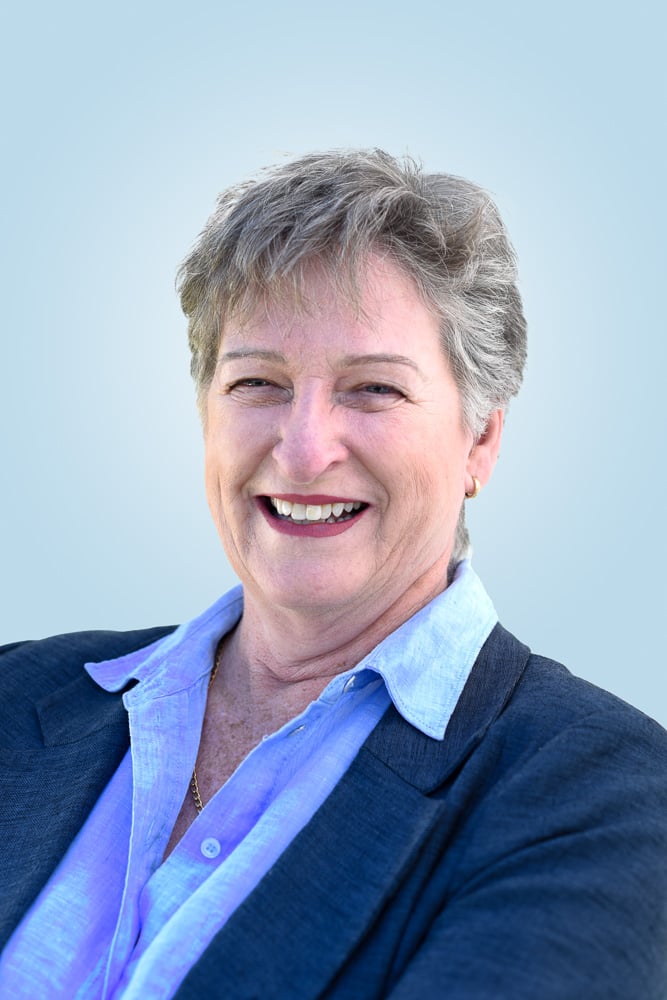
Professor Raymond Chan
Professor Raymond Chan, Deputy Vice-Chancellor (Research) at Flinders University, and on the leadership team of the Multinational Association of Supportive Care in Cancer (MASCC), told the limbic that there was merit in finding a pharmacotherapeutic solution for cancer-related fatigue.
“One-third of cancer survivors are telling us that it is significantly impacting their lives. Two- thirds of them are telling us that they are impacted, though not severely impacted. It is by far the most unmet need. It’s not like pain where we have multiple pain-relief options.”
Professor Chan said fatigue was also multifactorial and ranged from some patients being bed-ridden in the days immediately following chemotherapy to never quite returning to pre-cancer energy levels well after treatment.
He said methylphenidate-type psychostimulants were not new but as a treatment candidate were quite short-acting and might offer a quick pick-up during the day or for an event.
“Normally people in those sorts of settings would use steroids, but this updated meta-analysis is telling people that not only are you going to get that added value during the day, but by week five you will have a little bit more help,” he said.
He said he agreed with the investigators that MPH/d-MPH might be best used as an adjunct while waiting for non-pharmacological management such as CBT and exercise to take effect.
Professor Chan added that the combination of CBT and exercise was ideal with the psychological component offering help with motivation, goal setting and other behaviours to support the exercise program.
He said one of the treatment gaps was a model of care for treating cancer-related fatigue.
While centres of excellence in metropolitan areas may provide comprehensive care including physiotherapists and exercise physiologists during treatment, community centres and rural hospitals wouldn’t have that level of support during treatment, let alone during the survivorship stage.