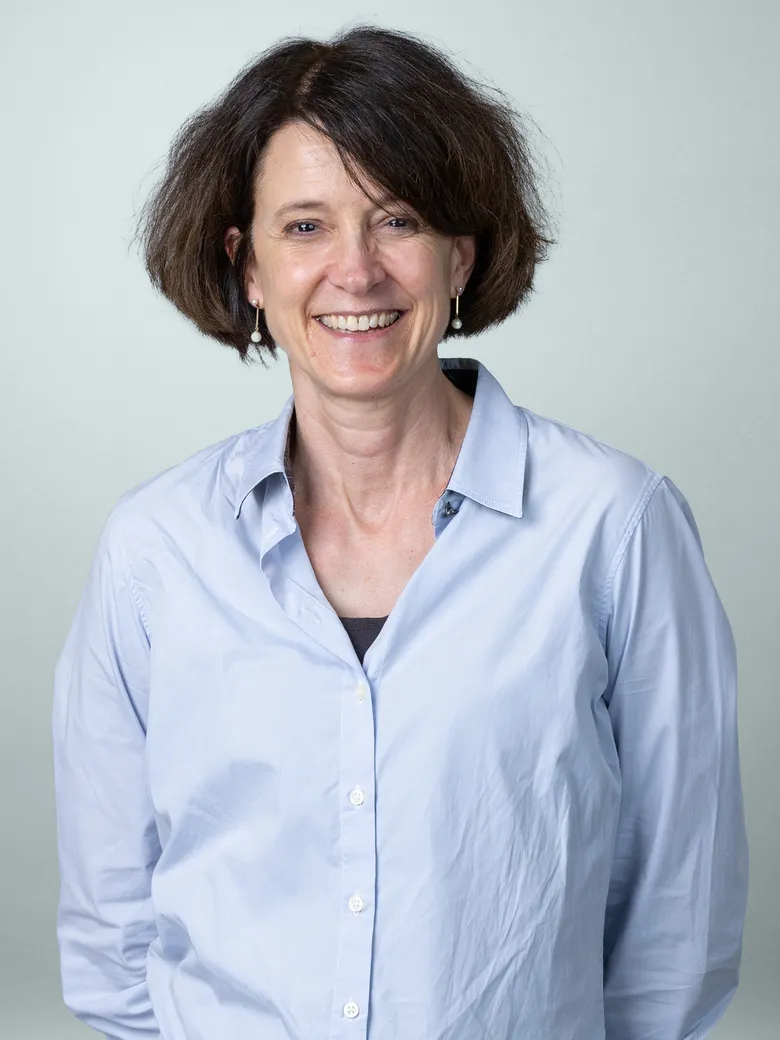
Prof. Elizabeth Powell
Two distinguished hepatologists have reflected on the substantial clinical and research progress made in Australia over the past few decades after being honoured for their work at the AGW 2025 meeting.
Professor Elizabeth Powell was recognised with the GESA Distinguished Researcher Prize and Professor Gary Jeffrey received the GESA Outstanding Clinician Award at the World Congress of Gastroenterology and Australian Gastroenterology Week 2025 event in Melbourne on Saturday.
Professor Powell, currently clinical director at QIMR Berghofer, reflected on what it took to build a thriving liver research program, beginning with her time as a junior consultant hepatologist at Princess Alexandra Hospital in Brisbane.
She called out the importance of support from the likes of Professor Steve Lynch and Dr Peter Pritchard, who supported her efforts at the time to establish a database and biobank for patients with liver disease. This biobank became a important tool for future research projects.
Partnering with “clever and dedicated scientists” was the most crucial factor for a successful research program, Professor Powell said, highlighting long-term collaborations with the likes of Professor Patricia Valery, Professor Andrew Clouston and Associate Professor Katharine Irvine that led to several novel observations.
“More than 20 to 25 years ago, we showed that obesity-related steatosis and associated metabolic risk factors were associated with progressive fibrosis, not only in MASLD, but also in other liver diseases, such as chronic hepatitis C and the weight loss led to an improvement in liver injury, and that weight loss led to improvement in liver injury,” Professor Powell said.
Her passion for working with young clinician researchers led to her taking up the role of clinical director at QIMR Berghofer, where she is overseeing the rollout of the Clinician Researcher Academy program.
“In partnership hospital and health services, we want to co-design and integrate research training and collaborations with the health workforce,” she said.
Professor Powell gave thanks to her husband and children for their support of her career, as well as her father, the late Lawrie Powell AC, for instilling in her a love of hepatology.
“At his funeral a few years ago, it was humbling to hear from so many colleagues about the profound impact that his mentorship and passion for research had on their careers,” she said.
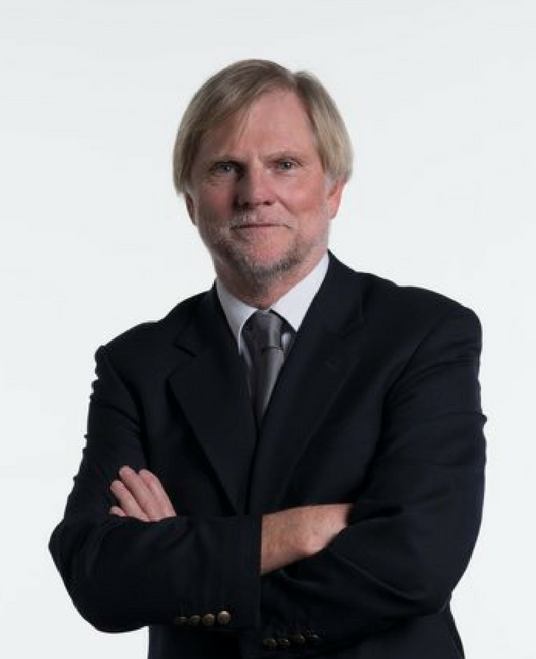
Prof. Gary Jeffrey
On accepting the Outstanding Clinician Award, Professor Jeffrey reflected on advances in medical research and practice from the time of his graduation in 1980 from the University of Western Australia through to today, where he is the medical director of the West Australian Liver Transplantation Service.
He discussed collaborations including the formation of the Liver Foundation in 2018 and the importance of public advocacy for liver disease.
Over the decades, advocacy had moved from state-based efforts to a national peak body focused on awareness and patient support.
“Everyone knows what a heart attack is and everyone knows what a stroke is, but we need to be pushing that there’s a liver crisis with similar poor outcomes compared to either of those other two. That’s what we’re presently doing,” he said.
Professor Jeffrey also highlighted the life changing-impact of innovations in liver transplantation, particularly in paediatrics, but emphasised that decades on from the first paediatric liver transplants there was still no dedicated service for this in Western Australia.
“We’re really pushing hard to prevent our children from still having to come over to New South Wales, Queensland or Melbourne to have their transplant,” he said.