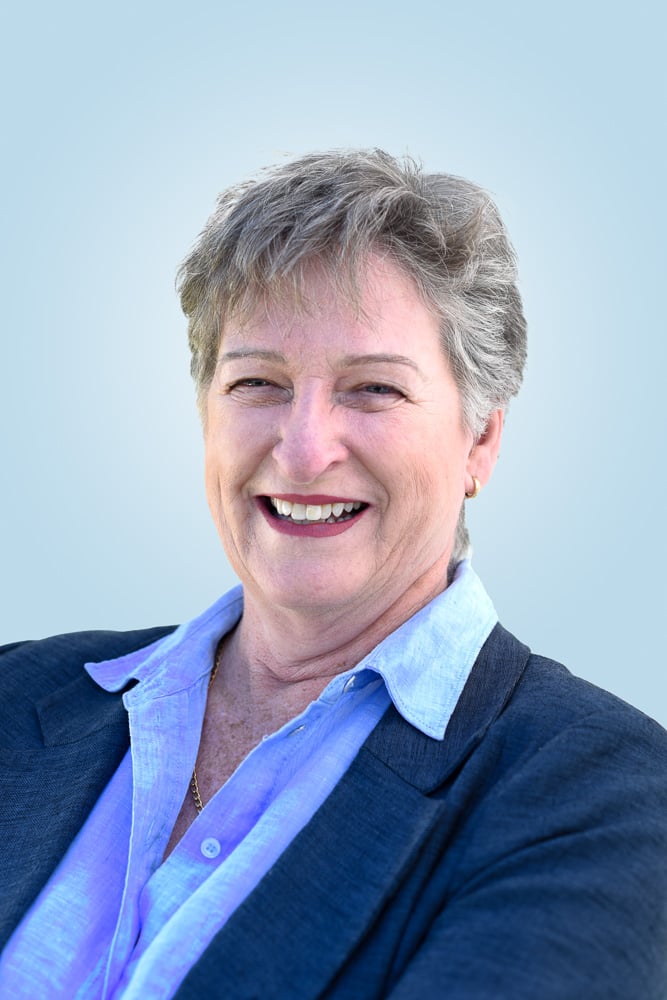
Gastroenterologists with interest areas across the spectrum of practice including paediatrics, IBD and haemochromatosis have been recognised in the King’s Birthday honours list.

Professor Katie Allen
The late Professor Katie Allen was posthumously awarded an Officer of the Order of Australia (AO) for her distinguished service to medical research as a paediatric allergist and gastroenterologist, and to the people and Parliament of Australia.
Before moving into politics in 2019, Professor Allen was a paediatric gastroenterologist at the Royal Children’s Hospital, Melbourne and director of the Centre of Food and Allergy Research at the Murdoch Children’s Research Institute.
Even in Parliament, she brought her skillset to the House of Representatives Standing Committee on Health, Aged Care and Sport and was involved in the inquiry into allergies and anaphylaxis which delivered the Walking the Allergy Tightrope report.
Dr Ross Elliott was recognised with a Member of the Order of Australia (AM) for his significant service to gastroenterology, and to fundraising for research into inflammatory bowel diseases.
Dr Elliott, now retired from clinical practice at St Vincent’s Hospital Melbourne and private practice, is founder and chair of The Gutsy Group.
The not-for-profit organisation established to raise funds for research into the causes, prevention, management and cure of IBD has supported projects from basic science through to IBD incidence and recurrence studies, the health economics of IBD, and therapies including the role of diet and FMT.
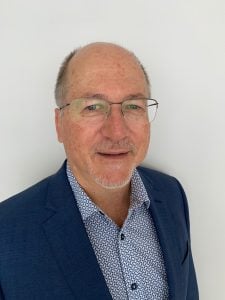 Professor John Olynyk Professor John Olynyk was awarded a Member of the Order of Australia (AM) for his significant service to the health sciences, and to gastroenterology and hepatology. He told the limbic that serendipity had played a large part in his career – including the rural GP in Katanning, WA, who first suggested he study medicine to enjoying an overseas training stint at Saint Louis University with Professor Bruce Bacon who was involved in the discovery of the haemochromatosis gene HFE in 1996. “Because I worked with him, and we kept publishing together for years and years and years, I had access to a lot of the early gene technology that was discovered in the US… and then because I came back to Western Australia and they had this big population study – the Busselton Health Study – going on for many years, I thought we’ve got a new gene, it’s fairly common in the community, I wonder how many people who carry that gene end up with a health problem, and how many people with health problems have that gene.” The outcome was the world’s first study on the expression and characterisation of the HFE gene in humans which was published in the NEJM in 1999 [link here]. “So again that serendipity – that I ended up back in a place where we were able to do this work, then that ended up being a big publication, and after that everything seems to just slot into place in terms of research opportunities, ideas and collaborators coming along.” Professor Olynyk’s advice to young gastroenterologists include being flexible enough to follow the opportunities that come their way and to ‘stretch themselves’ beyond clinical practice to embrace research and innovation. He admits he was also surrounded by very good mentors early on and kept good relationships with them over the course of his professional career. Another tip, “friends make possibilities happen.” Professor Olynyk, who has led gastroenterology services at Fremantle and Fiona Stanley Hospitals over the years, is largely retired from clinical practice but still supports junior doctors when they have issues with patient management. He also works with the Curtin Medical Research Institute at the interface between researchers and clinical practice and remains patron and medical advisor of Haemochromatosis Australia. |
Dr Paul Jenkins has been honoured with an OAM for his service to medicine as a paediatrician.
He helped establish the neonatal intensive care unit at the former Royal Canberra Hospital and was later director of the paediatric gastroenterology service at The Canberra Hospital.
Dr Jenkins was also director of paediatric education at the ANU and an examiner and educator of overseas graduates for the Australian Medical Council.
Also receiving an OAM for his service to community health is gastroenterologist Associate Professor Christopher Pokorny who has worked at the Liverpool Hospital for many years.
He has contributed to medical education including through his roles as Conjoint Associate Professor of Medicine at UNSW and as a medical examiner for the RACP.
He is also an honorary professor in post graduate medical education for the Học Mãi Australia-Vietnam Medical Foundation and an honorary consultant in gastroenterology for the journal Medicine Today.
Also recognised with AMs for their contributions to gastrointestinal surgery are:
- Professor Michael Solomon, head of colorectal surgery at the Royal Prince Alfred Hospital, for his significant service to gastrointestinal surgery, to surgical outcomes research, and to the community.
- Dr Elizabeth Murphy, head of colorectal surgery at the Lyell McEwin Hospital, Adelaide, for her significant service to colorectal and general surgery, and to clinical education and training.
- Associate Professor Peter Nottle, director of upper GI surgery at Alfred Health for his significant service to laparoscopic and gastrointestinal surgery, to clinical leadership, and to education.