
A new national stroke clinical standard will focus on stopping patients falling through the cracks after discharge, emphasising individualised care planning and organising future reviews before leaving hospital.
The updated Stroke Clinical Care Standard replaces 2019’s Acute Stroke Clinical Care Standard, and marks the first major update in a decade to the quality statements which set the gold standard for care in Australia [link here].
Neurologist Professor Tim Kleinig, stroke network lead for SA Health, said the most important part of the new blueprint was its focus on the whole patient journey, and helping patients return to normal life as much as possible after initial treatment. He said many patients reported feeling lost after leaving hospital.
“It’s mentioned that they should have rehabilitation in hospital, and that rehabilitation doesn’t occur, or they’re left in the hands of general practitioners who might not have all the expertise to best prevent stroke recurrence,” he told the limbic.
The document’s quality statements cover early assessment, hospital transport, stroke unit care, rehabilitation and follow-up, with key updates including:
- A new statement about follow-up, outlining that patients should receive a follow-up assessment with multidisciplinary team input within six months of their stroke. This appointment is to be organised prior to discharge,
- An emphasis on rehabilitation: patients’ rehab needs should be assessed within 48 hours of hospital admission,
- Updates to the early assessment statement to focus on pre-notification systems that alert hospitals to a patients’ condition prior to arrival.
Updates to quality parameters for time-critical therapy emphasise the importance of access to endovascular therapy if required, and timely transfer of care to a comprehensive stroke centre if the healthcare service can’t provide this.
Time-critical therapy for intracerebral haemorrhage was also addressed in the standard for the first time.
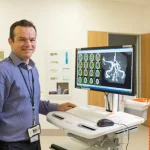
Professor Tim Kleinig.
“Although it’s less frequent, [and] about 10 to 15% of stroke patients have an intracerebral haemorrhage, the mortality rate is triple the mortality rate for ischaemic stroke,” Professor Kleinig said.
“We now have good evidence that the faster you lower elevated blood pressure, the more rapidly you reverse coagulopathy, [and] that the smaller the hemorrhage is, the better the outcome is.”
Resourcing challenges may be a barrier to fully realising the follow-up requirements in the standard, with Professor Kleinig highlighting the need to strengthen the stroke workforce.
“Many patients will require a team of people to provide [follow up] assessment, because they have a variety of needs,” he said.
“At discharge, it’s the team’s decision about what is optimal follow-up for a patient, and we need to provide the workforce to support that.”
Despite this, the document makes it clear that hospitals across Australia are obligated to provide this level of stroke services. The standard also makes it clear to patients about what they can expect.
“Patients, and patients’ families, should know they have the right to demand best care, no matter which hospital they present to in Australia,” Professor Kleinig said.