
Late on a Friday afternoon last month, long-simmering tensions about the state of Australia’s medicines access processes were hurled back into the spotlight.
Minutes for the Pharmaceutical Benefits Advisory Committee’s March meeting revealed that on its fourth attempt, Eli Lilly Australia had secured the blessing of the PBAC for a PBS listing of tirzepatide (Mounjaro) for inadequately controlled type 2 diabetes [link here].
But less than two hours later, Lilly was delivering some choice words about the nation’s drug review process as it confirmed patients would not, in fact, gain access to the subsidised treatment.
Lilly’s Australia and New Zealand general manager Dr Manny Simons said the decision was driven “by the simple reality that the price conditions proposed by the Australian Government are unrealistic and unviable.”
That night, patients took to social media to vent.
“Not surprised, but still disappointed,” one user wrote on Reddit. “Boooooooo.”
Tirzepatide was not the only Lilly treatment to fall at this hurdle. The same PBAC minutes confirmed the committee had also rescinded its recommendation for the atopic dermatitis treatment lebrikizumab after the pharma giant rejected the terms. The company had already shelved plans to list the ulcerative colitis drug mirikizumab (Omvoh) in 2024, after being offered reimbursement in line with the lowest cost comparator.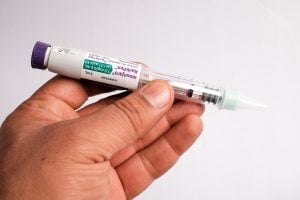
“Lilly has regretfully had to walk away from three positive PBAC recommendations in recent years due to reimbursement conditions that were not sustainable,” a company spokesperson said.
Lilly was not alone. Pfizer recently abandoned negotiations to list its metastatic breast cancer therapy tucatinib (Tukysa), leaving around 300 women without subsidised access [link here]. Sanofi’s recombinant influenza vaccine Flublok Quadrivalent, first recommended by the PBAC in 2024, has also failed to progress to listing.
“Flublok can be added to a growing list of vaccines and medicines that have received a PBAC recommendation but will not become available via government-funded programs, due to a recommendation which is out of step with how comparable markets fund innovative vaccines,” a Sanofi spokesperson said.
A PBAC nod is no longer enough

Medicines Australia CEO Liz de Somer.
Negotiation sits at the heart of the PBS listing process. A positive PBAC recommendation opens price talks between the sponsor and government, but agreement is far from guaranteed.
For tirzepatide, price had been a sticking point across multiple PBAC cycles. When the committee last considered the application in July 2025, it agreed the evidence supported the drug’s efficacy but said it “remained concerned that the higher price requested by Eli Lilly was more than what the evidence showed it was worth.”
Industry figures paint a concerning picture of where Australia sits globally. Pfizer cited data suggesting that of medicines registered in Australia between 2016 and 2021, only 44% were ultimately reimbursed, compared with 96% in Japan, 84% in Germany, 80% in the UK and 62% in France. Medicines Australia estimated that even before current global pricing pressures, just 27% of globally supplied innovative treatments were subsidised through the PBS. Both figures come from industry sources.
Medicines Australia CEO Liz de Somer said the most pressing priority was “government action that will deliver greater access to new medicines for Australian patients.”
Companies warned the consequences were already being felt in clinical practice, with more medicines becoming available solely on the private market.
“This is driving inequalities in access based on ability to pay, creating a two-tier system and undermining the principles of our universal health system,” Lilly said.
Global pricing pressures add to local woes
For months, industry insiders have argued the US government’s Most Favoured Nation order, which seeks to cap US drug prices at the lowest level offered in comparable countries, would dampen sponsors’ enthusiasm for pursuing Australian PBS listings.

Dr Manny Simons
Lilly said its decision on tirzepatide was independent of those global dynamics. But Ms de Somer said US policy had sharpened attention on existing weaknesses in the Australian system.
“The US policy of international reference pricing to Most Favoured Nations and the imposition of tariffs shine a light on these problems even further and are already having an impact on companies’ ability to bring new medicines to Australian patients,” she said.
Pfizer argued PBS spending on new medicines should at minimum track healthcare inflation, and called for an overhaul of how the system recognises innovation.
“Our pathways are designed to constrain and minimise recognition of the value of innovation, including through the application of inappropriate comparators, disproportionate discount rates and cost-shifting Risk Sharing Arrangements,” a spokesperson said.
Sanofi called on the federal government to increase health expenditure on preventive health measures to 5% of GDP by 2030, in line with a Business Council of Australia proposal, and said Australia needed “fit-for-purpose processes, including PBAC recommendations that appropriately recognise and reward the full value of innovative treatments.”
HTA reform seen as the fix, but progress is slow
When asked about solutions, medicines makers all pointed to the same place: full implementation of the 2024 Health Technology Assessment review.
The review delivered 50 recommendations to streamline medicines access, including measures to cut listing delays and shorten the gap between TGA approval and PBS consideration. An implementation advisory group was established, but the Department of Health, Disability and Ageing confirmed last month that its final advice was still being considered by government.
Dr Simons said the fix was within reach.
“Health stakeholders know that Australia’s medicines access system is in a state of disrepair,” he said. “They also know that a fix is within reach if the Federal Government fully implements the recommendations of the Health Technology Assessment review and matches these reforms with a substantial increase in budget allocated to innovative medicines.”
Ms De Somer said reform needed to be funded in the upcoming budget.
“HTA reforms must be delivered with commitments funded in the 2026-27 Budget to speed up patient access to new medicines and to better value medicines,” she said.
In September last year, Health Minister Mark Butler confirmed work had begun on HTA reform, including a rolling review of PBAC guidelines starting with comparator selection and discount rates. In a monthly update on May 7, the PBAC confirmed that review was underway but said it would examine findings “over the coming months following a period of consultation with various stakeholders.”
Quantifying the true impact of US pricing policy or HTA reform delays on PBS listings is difficult given the long lead times involved in negotiations. But for Lilly, the message was stark.
“Ongoing challenges in the reimbursement environment are a critical factor when assessing not only the viability of future PBS submissions, but whether Australia can support the full innovation pathway, from local investment in clinical trials through to TGA registration and PBS listing,” a spokesperson said.
The minister did not respond to requests for comment.