Australian researchers say surveillance could be a viable option for CDH1 carriers who have historically undergone gastrectomy due to their gastric cancer risk, amid data suggesting intramucosal lesions are more indolent than previously believed.
However, the team, led by Melbourne gastroenterologist Professor Alex Boussioutas, has emphasised the need for appropriate counselling on the limitations of the approach and structured follow-up.
They conducted a 15-year analysis of 82 adult CDH1 carriers (median age 45, 62% female) from 31 families undergoing 136 upper GI endoscopies (EGD) (median 1 per patient, range 0–8) for signet ring cell carcinoma (SRCC).
Their clinic, which started at the Peter MacCallum Cancer Centre before moving to the Alfred, is the first nationally to report real-world performance of the procedure with surgical pathology correlation, demonstrating detection sensitivity of 67.9%.
Global “pick up” rates ranged from about 30-65%, Professor Boussioutas said.
Most EGDs were conducted prior to risk-reducing total gastrectomy, with a minority undertaken as longitudinal surveillance, reflecting guideline emphasis on definitive surgery, the researchers said in Familial Cancer [link here].
Findings among patients undergoing total gastrectomy showed SRCC was common – found in over 80% of specimens and often multifocal with up to 73 foci – but invasive malignancy beyond the earliest stage (pT1a) was rare (2.9%).
Regarding use of EGD, random biopsies were the predominate approach and outperformed targeted biopsies of visible lesions (detection rate 58.9% vs 8.9%).
Most lesions were identified at the initial EGD, with a substantial decline in detection rates at subsequent endoscopies, although isolated cases were identified as late as the fifth and sixth surveillance EGDs, the researchers said.
This finding of late detection highlighted the importance of maintaining surveillance programs for patients who opted against risk-reducing surgery, they added.
Postoperative complications occurred in 43.5% of patients, with anastomotic strictures the most common. There were no procedure-related deaths.
“Our findings support growing recognition that many intramucosal, SRCC lesions may be more indolent than previously assumed, with an ongoing paradigm shift away from total gastrectomy,” the researchers concluded.
“In carefully counselled patients—particularly those without a strong family history of early diffuse gastric cancer—repeat endoscopy within a structured surveillance framework may be reasonable rather than reflex progression to immediate risk reducing gastrectomy.”
Latest international guidance still up for debate

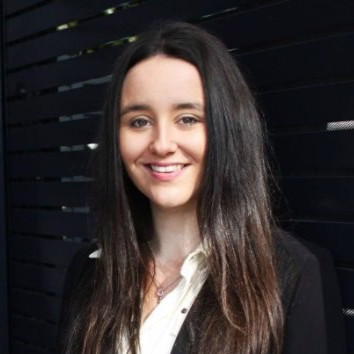
Professor Alex Boussioutas.
Speaking to the limbic, Professor Boussioutas, director of gastroenterology and director of clinical genetics and genomics at The Alfred, said the field had reached a transition point as the major guideline group navigated the latest evidence.
The most recent 2020 guidance from the International Gastric Cancer Linkage Consortium, of which Professor Boussioutas was a member, still recommended prophylactic gastrectomy in adult CDH1 carriers to prevent gastric cancer, with surveillance historically reserved for research projects or personal preference.
But the guidelines were now being rewritten at a time when the pendulum was now swinging the other way, towards surveillance, Professor Boussioutas said.
“We’re on a bit of a cusp at the moment, where there’s more comfort in doing endoscopic surveillance than there was in the past,” Professor Boussioutas said.
“We have a lot more expertise in looking at very subtle lesions and our technology has improved over the last 15 years or so. We now have what we call virtual chromoendoscopy and we use magnification endoscopes, so we can zoom in to almost 80 times of power to actually look at a lot more of the microscopic changes.
“So it’s been a lot more helpful in determining [those changes], so we can try and delay as much as possible the requirement for prophylactic gastrectomy.”
As for the latest recommendations, they were still being debated, he said.
“We’re talking about how we’re going to phrase the recommendations about prophylactic gastrectomy versus surveillance. There’s no randomised controlled studies in this space because it’s such a rare condition, so it’s really difficult.”
Professor Boussioutas said there were international groups, including those from the UK, the Netherlands, and the US, that had found the progression rate for the microscopic lesions was “really, really low”. However, there were still many important questions to answer, including how to determine the risk of progression.
This made counselling patients taking the surveillance route challenging.
“We’re talking about really, really small lesions… groups of cells that are just packed in together and they’re not really doing anything, they just sit there. Can they sit there all their life and not ever progress? What we find difficult is who will progress and who won’t, because some will progress and if it progresses to an invasive diffuse cancer, it’s kind of a death sentence,” Professor Boussioutas said.