
Dr Jessica Day is a rheumatologist at the Royal Melbourne Hospital and Scientific Team Leader at WEHI. She is an NHMRC Investigator with clinical and academic expertise in myositis and is a 2026 recipient of an ARA / Arthritis Australia Project Grant to advance biomarker discovery and therapeutic profiling in inclusion body myositis. Her research, including a clinical trial of a new treatment, is also supported by a collaboration with the Snow Centre for Immune Health.
Dr Day found time in her busy schedule to answer some questions about her research for the limbic.
Can you sum up the aim of this new project in 10 words?
This project seeks to accelerate tissue-validated therapeutic discovery in inclusion body myositis (IBM).
What have you previously discovered in inclusion body myositis?
Together with other experts in the field, we have shown that muscle from people with IBM is strongly characterised by interferon-gamma-driven inflammation. We have also identified a novel interferon-gamma-driven mouse model of IBM that reproduces the key pathological hallmarks of the human disease. Importantly, this includes not only inflammation, but also features that have traditionally been considered “degenerative”, such as protein aggregates within muscle fibres.
These findings provide strong preclinical evidence that interferon-gamma is a central driver of IBM pathology, including aspects of the disease that have not always been viewed as primarily inflammatory. This is important and exciting as interferon-gamma is a therapeutically tractable target.
How do you approach a clinical trial in a disease that is so uncommon?
This is a pilot study, hence the recruitment targets are less onerous than for a large randomised controlled trial. We are also using biological, tissue-based endpoints rather than relying solely on clinical endpoints, which tend to change slowly and may not accurately reflect active muscle disease biology. This means we can assess treatment effects over a shorter period and with smaller participant numbers.
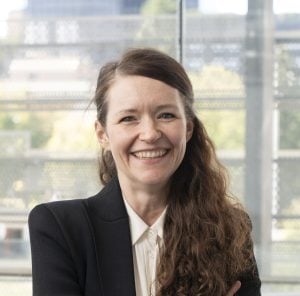
Dr Jessica Day
What are the other challenges in myositis research?
Other major challenges in inclusion body myositis research include disease heterogeneity, defining appropriate inclusion criteria for studies, and identifying the optimal window for intervention. In IBM, there may be a critical period when disease biology is still modifiable, before irreversible muscle damage has become too advanced.
A related issue is that IBM is difficult to diagnose and many people have advanced muscle changes by the time of diagnosis. This means we may be missing the optimal treatment window. In addition to working on therapeutics, we are seeking to develop better diagnostics for IBM to address this problem.
What aspect of this research excites you the most?
As part of this collaboration with the Snow Centre for Immune Health, we will use advanced technologies to profile muscle tissue before and after treatment. The ability to interrogate the actual site of disease, and to understand how the molecular features of IBM change in response to potential therapies is extremely exciting.
I think this tissue-focused approach has real potential to tell us, quickly and accurately, whether a treatment is having a meaningful biological effect. By analysing the muscle tissue in detail, we may also discover new disease mechanisms, identify additional therapeutic targets, and understand at a molecular level why some patients respond differently to treatment. The potential to generate novel biological insights that may lead to tangible improvements in the lives of patients is a powerful motivator.
How long before your work might impact patient care?
We have translated our laboratory-based findings into a clinical trial setting in less than five years, which is very rapid. The drug we are testing is already available in clinical practice, so the potential impact could be relatively quick if our trial provides a strong biological signal.
What’s your Holy Grail – the one thing you’d like to achieve in your research career?
A truly effective therapy for inclusion body myositis.
What is your biggest research hurdle overall?
The funding environment for rare disease research is challenging. However, as a clinician-scientist, my greatest personal hurdle is juggling clinical duties with a laboratory-based research career, as the two frequently pull me in different directions. Clinical work is highly rewarding, but it is also highly structured and time-pressured. Translational research, by contrast, requires sustained focus, flexibility and intensive time at the bench. Managing these competing demands is the most difficult aspect of my working life.
Who has inspired you in work or life?
Professor Ian Wicks, a rheumatologist and clinician-scientist at the Walter and Eliza Hall Institute, has been an inspiring and supportive mentor who has helped shaped my research and clinical career.
What’s your #1 survival tip for early career clinician-scientists in rheumatology?
The most important advice is to work on questions that genuinely fascinate you and which you believe are clinically and scientifically important. This helps sustain motivation through the inevitable hard work and numerous setbacks that a research career entails.