
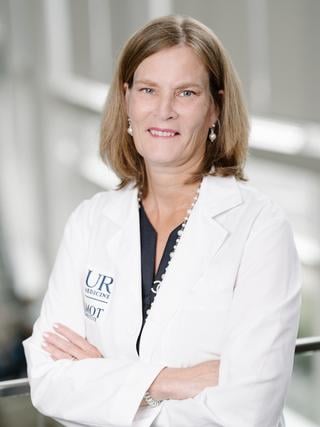
Professor Susan Dent.
Oncology has a critical role in the improvement of cardiovascular care for adults with cancer from the start to end of treatment, an international meeting has heard.
Speaking at the MASCC/ISOO Annual Meeting held in Melbourne last Friday, US medical oncologist Professor Susan Dent from Wilmot Cancer Institute gave an overview of recently published clinical practice guidance for oncology care providers on how they can prevent and manage cardiovascular disease.
She said the document, jointly published in Cardio-Oncology and Supportive Care in Cancer, set out the “minimum standard of CV care required of cancer care providers”, recognising the resource limitations of some centres, and prioritised early intervention through a multidisciplinary effort.
The guidance was developed by the International Cardio-Oncology Society (IC-OS) and the Multinational Association of Supportive Care in Cancer (MASCC), and co-chaired by leading Australian oncologist Professor Bogda Koczwara.
CVD risk assessment prior to starting cancer therapy
Professor Dent, director of University of Rochester’s cardio-oncology program and the statement’s first author, said identifying pre-exisiting CVD risk factors and CVD itself was an essential part of developing a patient’s cancer treatment plan.
While some drug effects were very obvious to clinicians, such as the cardiotoxicity of anthracyclines, she said the question of how newer more targeted therapies influenced cardiovascular health should be asked.
Professor Dent said clinicians should also consider previous cancer therapy exposure such as previous radiotherapy and anthracyclines, particularly considering patients were living long enough to be diagnosed with second, third or even co-malignancies.
The recommendation for cancer care providers to perform relevant cardiac investigations as part of risk assessment was hotly debated, Professor Dent said.
But “at a minimum” HbA1c and lipid testing were deemed important. The group made up of oncology and cardiology experts also recommended an ECG for those receiving cancer therapy known to cause arrhythmias, and left ventricular (LV) ejection fraction for those receiving drugs associated with LV dysfunction, with echocardiograms with global longitudinal strain the gold standard.
Professor Dent identified CVD risk assessment using prediction tools as in particular need of improvement in oncology.
While there were a range of tools from cardiovascular societies, she pointed to the CancerCalc – a HFA-ICOS online tool accounting for current therapy, underlying lifestyle, age, underlying genetics, previous CVD and previous therapies to determine cardiotoxicity risk – as particularly useful for oncologists.
Mitigating CVD toxicity risks prior to and during treatment
Along with promoting healthy lifestyle such as smoking cessation and regular exercise, Professor Dent said clinicians could mitigate the risk of toxicity by:
- Using the lowest effective dose of a cardiotoxic agent
- Avoiding cardiotoxic agents if equally effective alternatives existed
- If patients were receiving high-dose anthracyclines, oncologists could consider liposomal formulations or dexrazoxane
- Reducing the mean heart dose of radiation through techniques such as deep inspiration breath hold
Professor Dent said oncologists also had a role in actively monitoring patients for signs and symptoms of new or progressive CVD and poorly controlled risk factors.
The guidance suggested reassessment at major transition points in care, when new clinical symptoms arose or when drugs known to exacerbate CV risk were used, such as steroids, with referral to cardio-oncology or cardiology teams as required.
Professor Dent stressed the point of not ignoring poorly controlled risk factors.
“When we see people with poorly controlled diabetes, uncontrolled hypertension, bad dyslipidaemia, I think we really need to work with our colleagues and get them to help us manage those if we don’t feel comfortable doing it,” she told delegates.
Cardiovascular surveillance plan at treatment completion
Considering the potential for long-term toxicities, Professor Dent stressed the importance of patients having ongoing checks despite their treatment ending.
She said US research of 5 million patients showed CVD surpassed cancer as the number one cause of mortality at about 15 years post diagnosis.
The guidance suggested educating patients and primary health care providers on the potential long-term effects, conducting a final CV risk assessment after last cancer treatment, and ensuring annual CV risk checks occurred post treatment for those who were asymptomatic, with a re-stratification of risk at five years.
At completion of treatment, Professor Dent said CV risk factors should also be adequately managed (HbA1c <7%; BP< 130/80 mmHg; LDL <70 mg/dl).
Echocardiogram should be considered:
- 12 months post therapy for patients exposed to anthracyclines or HER2 therapy
- 5-yearly for asymptomatic patients at moderate CV risk
- 1, 3, 5, and then every 5 years for high risk asymptomatic individuals
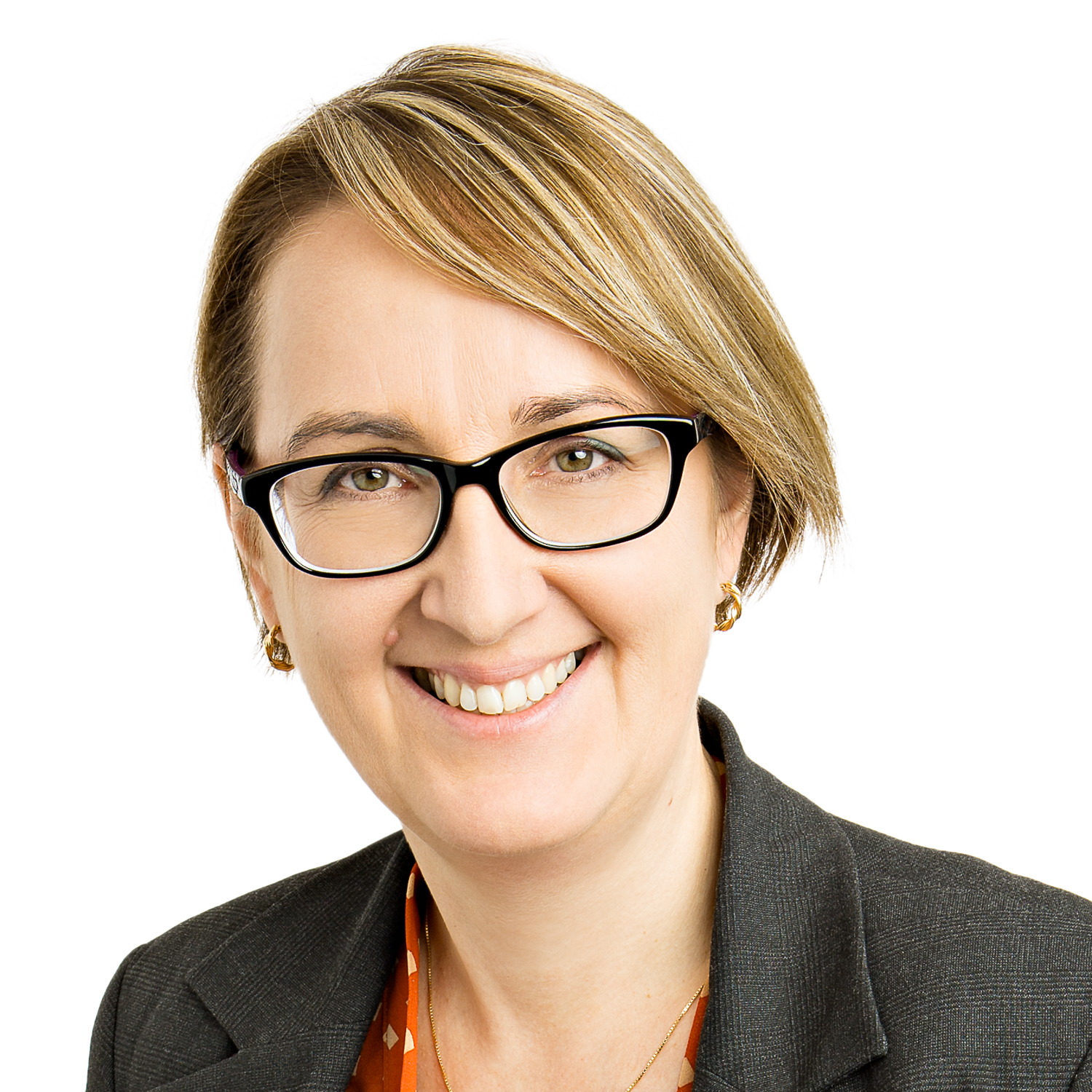
Professor Bogda Koczwara.
Australian centres face challenges delivering care
Speaking in the same session, Professor Koczwara, director of the Australian Research Centre for Cancer Survivorship at UNSW Sydney, shared a more local perspective on how chronic disease care in cancer was lacking.
She surveyed 177 patients with breast cancer about shared decision-making, appropriate navigation plans and care coordination to assess chronic disease management among the 90% of participants who also had a chronic disease.
Management of both chronic disease and cancer was “quite poor”, she said.
To drill down on the issue further, she helped conduct a qualitative study on the management of care from the perspective of patients and healthcare providers.
The study revealed patients weren’t aware of their CVD risk and had diverse preferences over what and how much they wanted to know, their care priorities and the format, timing and magnitude of support they would want to receive.
For the interviewed clinicians involved in cardio-oncology (oncologists, oncology nurses, GPs, cardiologists, cardiology nurses), most considered CVD a very important issue but they suggested that provision of care was challenging.
“They were worried that patients would not be able to understand or deal with the pressure of two conditions to manage, and they also felt that the approaches that could be used could be very diverse, there wasn’t one solution of how to address this issue,” Professor Koczwara said.
“Probably more importantly and somewhat concerning for us was that when it came to cancer care providers, they highlighted lack of capacity to deliver care. They also didn’t know when was the appropriate time to deliver care and how to manage that, lack of training, and a mismatch between their identity and their role in management of cardiovascular disease versus management of other problems.”
She said improvement depended on a “very multi-level and multi-sectorial strategy”, with some of the solutions at hand in the clinical practice guidance.