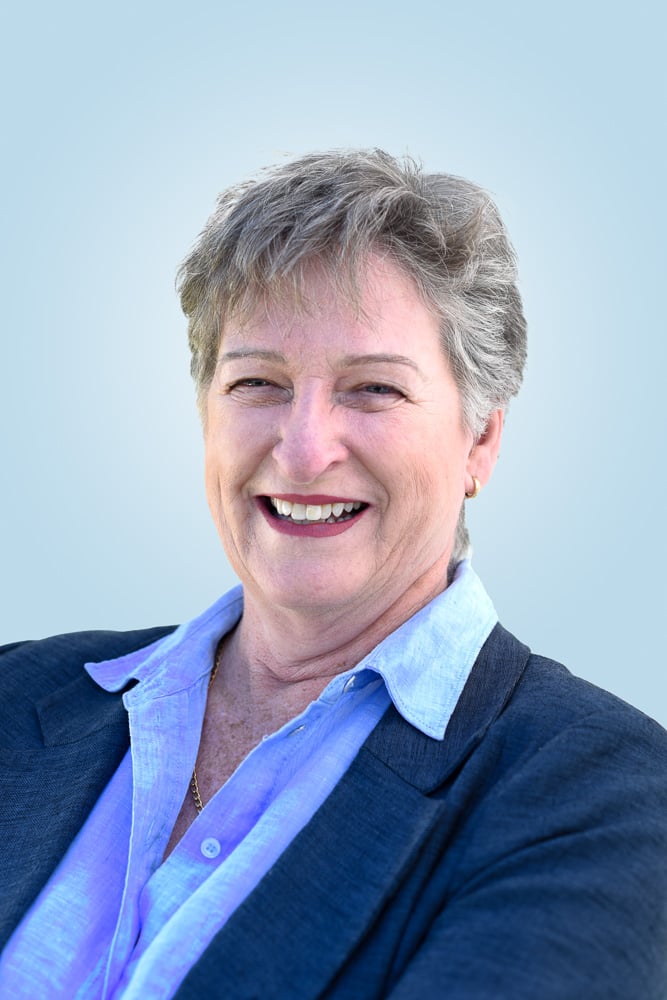

Professor Sunil Badve
Low dose rivaroxaban does not reduce the risk of a composite cardiovascular outcome in patients with advanced kidney disease and at increased cardiovascular risk, Australian-led research has shown.
Despite the negative findings, presented at the European Renal Association (ERA) Congress in Glasgow and concurrently published in JAMA [link here], the TRACK trial has important implications for practice.
“Clinical decisions regarding anticoagulation in people with advanced kidney disease should not be extrapolated from other cardiovascular populations,” the study said.
“This trial underscores the need for dedicated cardiovascular outcome trials in people with advanced CKD.”
Professor Sunil Badve, from The George Institute for Global Health and UNSW, told the ERA Congress that patients with advanced CKD, including those requiring dialysis, experience a markedly elevated risk of cardiovascular events and death.
“However, patients with advanced kidney disease have been systematically excluded from previous major cardiovascular outcome trials of antithrombotic medications, leaving a critical evidence gap,” he said.
“The combination of low dose rivaroxaban, 2.5 milligrams twice daily, and aspirin has proven cardiovascular benefits in patients with coronary artery disease and peripheral artery disease. The subgroup analysis of these trials showed similar cardiovascular benefits in patients with mild to moderate chronic kidney disease.”
He said patients with eGFR <15 mL/min/1.73m2 were excluded from these trials leaving unanswered the question of whether a similar low intensity anticoagulation strategy might also have cardiovascular benefits in patients with advanced kidney disease.
The TRACK trial randomised 1,458 patients from 12 countries including Australia to either low-dose rivaroxaban (2.5 mg twice daily) or placebo.
Participants were adults with dialysis-dependent kidney failure or CKD stage 4 or 5 not receiving kidney replacement therapy and were at increased risk of cardiovascular events based on the presence of at least one risk factor.
The most common risk factors for CVD in the cohort were diabetes (78%), older age ≥65 years (48%), coronary artery disease (19%), and current smoking (7%). About 60% of patients were taking a lipid-lowering agent at baseline and 46.4% were taking aspirin.
The primary outcome, a composite of cardiovascular death, nonfatal myocardial infarction, nonfatal stroke, or a nonfatal peripheral artery disease event, occurred in 22.6% in the rivaroxaban group and 20.7% in the placebo group (HR 1.09; p=0.46).
A subgroup analysis of the primary outcome also showed that the results were consistent across all pre-specified subgroups, including the use of aspirin at baseline.
In secondary outcomes, no significant differences between the two treatment groups were observed for each component of the primary composite outcome including all-cause mortality.
There were 186 deaths (25.6%) in the rivaroxaban group and 168 (23.0%) in the placebo group (HR 1.14; p=0.66). Sudden cardiac death was the most frequent cause of death, accounting for 42% of all deaths.
VTE events were less common in the rivaroxaban group (0.6% v 1.9%; HR 0.29) however the total number of events were very small.
Bleeding risk
Regarding safety outcomes, the study found major bleeding occurred in 8.8% of the patients receiving the DOAC versus 6.0% of the placebo group (HR 1.51; p=0.04).
Fatal bleeding occurred in one patient receiving rivaroxaban and two patients receiving placebo.
The gastrointestinal tract was the most common site of bleeding at 4% in the rivaroxaban group versus 2.3% in the placebo group (HR 1.76; p=0.07). Intracranial bleeding occurred in six patients receiving the DOAC and three patients receiving placebo.
A subgroup analysis of the major bleeding outcome showed a higher bleeding risk in the subgroup of patients ≥65 years of age compared to younger patients (10% v 5.6%; p=0.03). The results for all other subgroups were consistent with that of the major bleeding outcome.
“The net clinical benefit outcome, which was a composite of all components of the primary outcome plus fatal bleeding and symptomatic bleeding into a critical area or organ did not differ significantly between the two groups,” Professor Badve said.
The TRACK trial was terminated early because of concerns regarding increased bleeding and a low probability of demonstrating efficacy.
Ambitious undertaking
An editorial in JAMA [link here] congratulated the investigators for “an ambitious and impressive undertaking in a population that has been difficult to enroll in clinical trials.”
“Successfully executing a study of this magnitude in such a complicated population is notable because many trials have been unsuccessful due to challenges in recruiting, and retaining, patients with advanced CKD or receiving dialysis,” it said.
However the end result was evidence of excess bleeding without any indication of cardiovascular benefit.
“The clinical implications are important. The TRACK trial highlights the risk of assuming that therapies effective in the general population will translate to patients with advanced CKD,” it said.
“The mechanisms that contribute to cardiovascular disease in patients with kidney disease are unique. For example, directly related to this intervention, uremia alters haemostasis but also is likely prothrombotic, resulting in a therapeutic paradox necessitating a careful balance of benefit vs harm. Based on the TRACK trial, adding anticoagulation without clear benefit risks tipping that balance toward harm.”
The authors noted that the negative results in TRACK should not be generalised to patients with advanced kidney disease who have specific indications for anticoagulant treatment, such as stroke prevention in atrial fibrillation.
They concluded that more questions now need to be answered including whether the findings apply to people with established CVD and whether alternative oral anticoagulation strategies may prove more effective or safer in selected CKD populations.
The TRACK trial was funded by research grants from NHMRC and French and German finding bodies. Rivaroxaban and placebo tablets were provided by Bayer free of cost.
Low-Dose Rivaroxaban is off TRACK for CV prevention in CKD 4 / 5: No ASCVD reduction – more bleeding.
Thank you @Badves @vjha126 @VladoPerkovic @HeerspinkHiddo for being mythbusters!
More soon @MarkusAtHome https://t.co/xlhwJt6dPT pic.twitter.com/YtAkJ1dTmH
— Gunnar Henrik Heine (@gunnar_heine) June 4, 2026