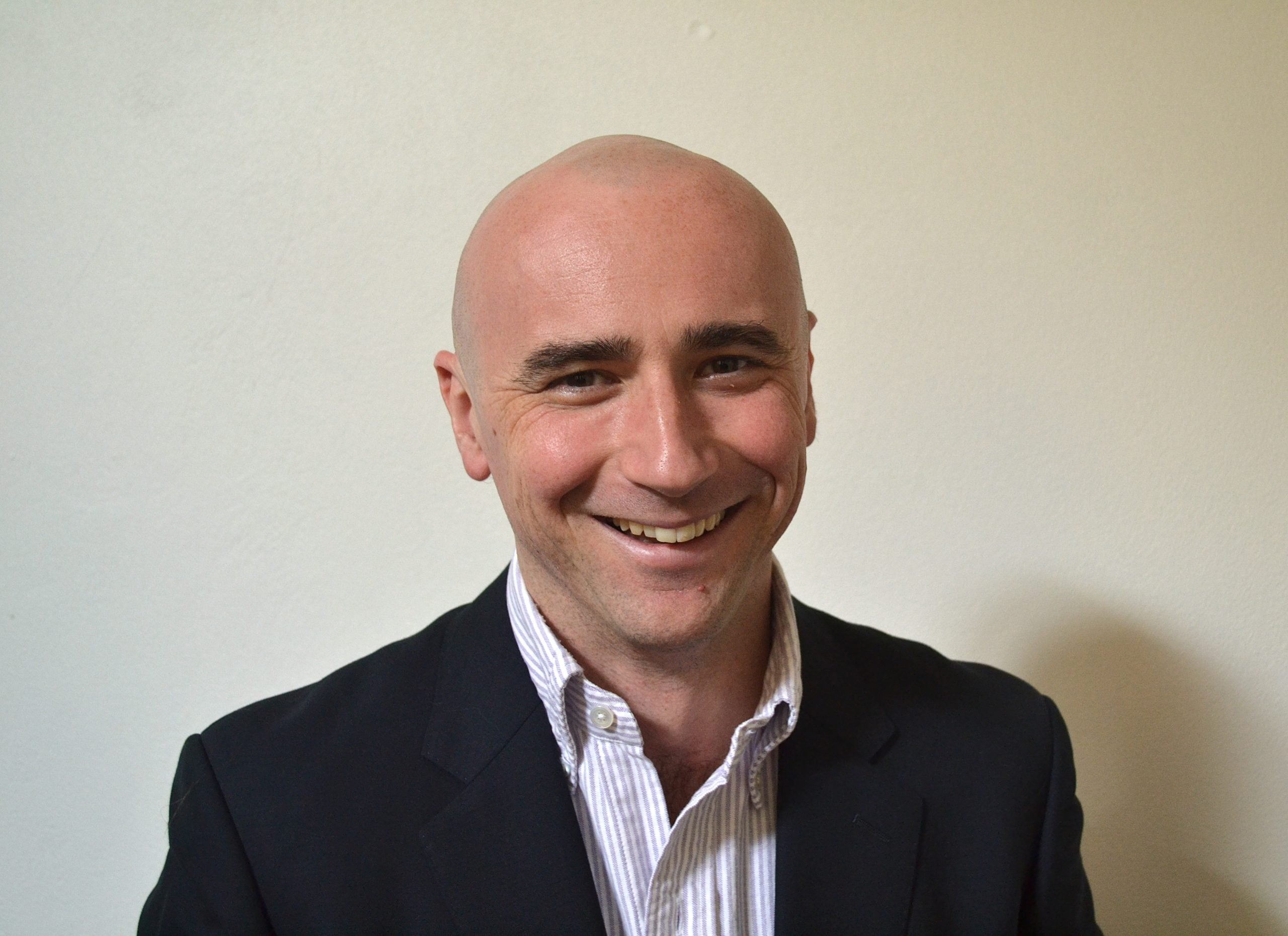
The Federal Government has extended the Specialist Training Program for another 12 months, but the Australian Private Hospitals Association says the short-term fix fails to deliver what hospitals actually need.
The STP funds registrar placements in private hospitals across surgery, psychiatry, oncology, palliative care and rehabilitation. Under the extension, current grant agreements run from March 2026 to February 2027.
“You can’t build a sustainable specialist workforce for the long-term on rolling 12-month extensions and expect hospitals to just wait and see,” said APHA chief executive Brett Heffernan. “The risk is hospitals, who spend their own money to support these training places, may find the on-again, off-again ordeal just too hard.”
He noted the May 2026 Federal Budget contained no ongoing funding for the program, with an extension flagged in its place to allow time for an STP redesign in collaboration with specialist colleges and stakeholders.
The extension comes as the program faces pressure from multiple directions. An independent review delivered to the federal health department in February 2024 found the STP was underperforming against multiple of its core aims [limbic story here]. The Commonwealth invested close to $710 million in the program between 2022 and 2025, funding 1,080 full-time equivalent trainees per year.
The review found the program “does not respond to the changes in the evolving national non-GP specialist medical workforce,” with funding targets largely determined by colleges and not drawing on workforce modelling data. Minimum placement lengths of just three months, with no incentives to stay long term, also undermined the program’s goal of correcting specialist workforce maldistribution across Australia.
Improving First Nations specialist numbers is one of the STP’s three stated aims, but the review rated the program’s performance on this measure as “poor,” noting it rarely funds posts in the community-controlled sector and does not collect data on the populations served by training settings.
Mr Heffernan said private hospitals bore the significant cost of delivering training, including registrar wages, supervision and accreditation, with STP funding covering only part of the expense. He noted they typically operated on three-year training agreements with state health departments, making 12-month federal funding cycles a structural mismatch.
“This program has now spent years lurching from cancellation to reprieve and back again, while private hospitals are left trying to make long-term workforce and training decisions with no clear commitment from Government,” Mr Heffernan said.
The Government’s decision to extend had also changed how new STP posts were accessed this year, he added, saying the federal health department would not run the formal reserve list process in 2026 and that hospitals seeking to become eligible posts would need to contact the relevant specialist college directly.
“If governments are serious about training the next generation of specialists, then they need to properly commit to it,” Mr Heffernan added. “If private hospitals are not supported to continue delivering this training, where exactly does the government expect these future specialists to come from?”