The Queensland government has defended an indefinite delay to construction of a highly-anticipated state cancer centre, claiming it inherited a “botched plan” that had no business case and significant cost blowouts.
Announced in June 2022 by the former Labor government in Queensland, the Queensland Cancer Centre was going to have 150 beds specifically for cancer patients and be one of only two centres in Australia to offer proton beam therapy. It was also going to offer cellular therapy and nuclear theranostics.

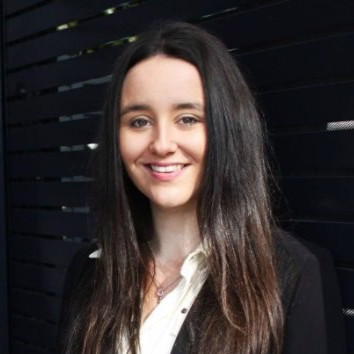
Ali France.
Speaking in federal parliament last month, Labor MP Ali France called on the Queensland government to reverse its decision “to delay—effectively cancel” construction of the state-of-the-art hospital and centre for research and treatment excellence.
“The hospital was due to start construction last year, in 2025, and begin treating cancer patients from 2028. It was shovel-ready, with funding allocated by the former Queensland Labor government and the Albanese Labor government,” she said in the House of Representatives.
“It was a lifeline for cancer patients across Queensland—in particular, leukaemia and blood cancer patients. Years of planning, of staff and patients making do until construction, are all now in the bin.”
Ms France, whose teenage son Henry died of leukaemia in 2024, suggested that pushing back construction was a cruel decision made on a spreadsheet, “far removed from the reality of a parent watching their child get sicker”.
“Now we’re left with no centre and no construction date,” she said.
However, a spokeswoman for Queensland Health and Ambulance Services Minister Tim Nicholls has hit back at claims the project was “shovel-ready”.
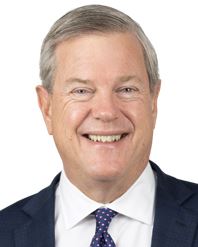
Tim Nicholls.
“An independent review found the former Labor Government’s botched plan for the Queensland Cancer Centre project had no business case or project validation report to inform service need and scope, was $1.05 billion over budget and would have been delayed by three years,” the spokeswoman told the limbic.
That review also flagged concerns about some of the hospital’s grand aims. For example, the report said a detailed operating cost and Commonwealth funding agreement assessment had not been undertaken for the proton therapy facilities.
“This may require cross-jurisdictional arrangements to be be established ahead of any development, as should this proton facility proceed it will not only be expensive to operate and maintain, but the Review understands that funding arrangements for treatment and accommodation for patients and their families and carers are not settled between Queensland and the Commonwealth,” it said.
“Funding arrangements will also be required with other States and Territories as it is likely that interstate patient flow volumes may be required to make the proton therapy service financially viable.”
The spokeswoman indicated that there were no plans to permanently shelve the project, suggesting that the Queensland government’s Hospital Rescue Plan – which was released in response to the independent review – was about “ensuring the crucial Queensland Cancer Centre project gets back on track”.
A clinical services demand review is being led by Queensland haematologist Associate Professor Glen Kennedy, which will inform business cases, planning activities, the project delivery schedule and the timeline for completion.
Under the Hospital Rescue Plan for the Queensland Cancer Centre, a Centre of Excellence will be delivered in Metro North in Brisbane, with “specialist cancer service hubs” in Cairns, Townsville, Mackay, Wide Bay, Darling Downs, Brisbane, and the Gold Coast. The hub-and-spoke plan aims to enable major hospitals to better support smaller regional facilities in delivering care closer to home.