The Therapeutic Goods Administration has inked new product warnings for GLP-1RAs, acknowledging the potential risk of suicidal thoughts or behaviour among patients prescribed the diabetes and obesity treatments.
The medicines watchdog also updated its advice about contraception for patients on tirzepatide, given the potential for reduced effectiveness of oral contraceptives could not be ruled out.
In a medicine safety update, the TGA said it had conducted a comprehensive review of the relationship between GLP-1RAs and suicidal or self-injurious ideation, including consultation with the Advisory Committee on Medicines [link here].
“While finding insufficient evidence for causality, the ACM noted there was a complex interplay between mental illness and chronic endocrine disorders for which GLP-1 RAs may be used for treatment, and the potential relationship between weight loss and suicidal/self-injurious ideation,” the regulator said.
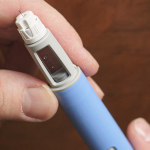 Updated product information applied to all GLP-1RAs with the exception of Saxenda (liraglutide), which was deemed to have appropriate wording.
The new warning told physicians to monitor patients for the emergence or worsening or depression or and unusual changes in mood or behaviour.
“Consider the benefits and risks for individual patients prior to initiating or continuing therapy in patients with suicidal thoughts or behaviours or have a history of suicidal attempts,” it said.
The regulator’s Database of Adverse Event Notifications (DAEN) accessed on September 23, 2025 revealed 85 mental health-related adverse events reported related to GLP-1RAs.
This included 72 reports of suicidal ideation, six for depressional suicide, four for suicide attempts, two for completed suicide and one report of self-injurious ideation.
Updates to the product information for tirzepatide were a precautionary measure for patients taking the drug while also on an oral contraceptive.
“Our investigation into the potential for reduced effectiveness of oral contraception during initiation or dose escalations with Mounjaro (tirzepatide) has found that this association could not be ruled out,” the regulator said.
Patients were now advised to switch to a non-oral contraceptive or use a barrier method for four weeks after initiation and for four weeks after each dose escalation.
“Advise patients that GLP-1 RAs should not be used during pregnancy and individuals of childbearing potential are advised to use effective contraception during treatment with a GLP-1 RA,” the safety update said.
In June, the UK’s Medicines and Healthcare products Regulatory Agency also advised adding a barrier method of contraception for four weeks after commencing Mounjaro and four weeks after any increased dose.
The new warnings come in the same week the World Health Organisation gave the green light to the long-term use of GLP-1RA medications for the management of obesity [link here].
The agency noted the enormous potential of the drug class to create a new paradigm for obesity management, but its guidelines development committee was cautious about the limited long-term safety and efficacy data available.
Tirzepatide and dulaglutide sponsor Eli Lilly Australia said it actively monitored, evaluated and reported safety information for all its medicines.
The company said that while the ACM had advised the TGA the evidence was not sufficient to support an association between GLP-1RAs and suicidal or self-harming behaviours, product information under Special Warnings and Precautions for Use now did advise health professionals to monitor for the emergence of depression and weight the benefits and risks of therapy for those with suicidal thoughts or behaviours.
“The Mounjaro (tirzepatide) Product Information warns Healthcare Professionals that tirzepatide should not be used during pregnancy. Women of childbearing potential are advised to use contraception during treatment with tirzepatide and if a patient wishes to become pregnant or becomes pregnant, treatment with tirzepatide should be discontinued,” Lilly said in a statement.
“We encourage patients to consult their doctor or other healthcare professional regarding appropriate contraception methods or any side effects they may be experiencing and to ensure that they are getting genuine Lilly medicine.”
Semaglutide manufacturer Novo Nordisk said semaglutide had been used by more than 54,000 patients in trials and resulted in more than 37 million patient years of use post marketing.
“Considering the totality of evidence from clinical trials, post-marketing reports and observational studies, Novo Nordisk believes that the benefit-risk profile of semaglutide remains favourable,” the company said.
WHO issues conditional support for GLP-1RA obesity treatment
It comes as The World Health Organisation has endorsed the use of GLP-1RA therapies for the long-term treatment of obesity but emphasised the “profound equity dilemma” of ensuring universal access.
The agency published its first guidelines on the use of the agents on December 1, supporting their use for adults living with obesity and recommending those prescribed the therapies take part in intensive behavioural therapies alongside medications for the best results.
But while the WHO’s guideline development group said GLP-1RAs represented a global tipping point in obesity management, they were cautious about the knowns of the treatment category.
Both the recommendation for use of GLP-1RA and intensive adjunctive behavioural therapies were rated as conditional, with the panel pointing to uncertainties about their long-term benefits.
“Limited data on long-term efficacy and safety, titration, maintenance and discontinuation with trials still ongoing, together with the high current cost of GLP-1 therapies, inadequate health system preparedness, and potential equity implications, reduced the GDG’s confidence that the benefits of this intervention clearly outweigh its undesirable attributes,” they said.
Inclusive implementation key
The guidelines authors agreed GLP-1RAs were more than a scientific breakthrough, saying their efficacy across diabetes and weight management would guide a “conceptual shift” from considering obesity as a lifestyle condition to a preventable chronic disease.
Yet the global impact of the treatment class would depend on more widespread and fair access to the therapies, something that would be challenging to achieve, according to the panel.
“Even under the current highest projected scenario, the production of GLP-1 therapies could only cover around 100 million people,” the guideline authors said.
“While significant, this number represents less than 10% of people currently living with obesity.”

The first WHO guideline on the use of GLP-1s for obesity were revealed on December 1.
High costs, limited production capacity and supply chain constraints remained major barriers to access, the guidelines committee said.
While conversations about the PBS listing of GLP-1RAs for obesity have ramped up in Australia in 2025, patients do not yet have subsidised access for weight management.
At its November meeting, the Pharmaceutical Benefits Advisory Committee (PBAC) considered an application for the listing of semaglutide for patients with established cardiovascular disease and obesity [link here].
The guidelines also emphasised that GLP-1RAs could solve the global obesity epidemic alone.
“What is needed is a comprehensive, system-wide response addressing prevention, care, and the underlying determinants of obesity,” the authors argued.
“In parallel, large-scale medicine distribution mechanisms must be leveraged to ensure that interventions reach all those in need fairly and a robust platform is built to integrate innovations as they enter the market.”
This story has been updated to include comments from Novo Nordisk.