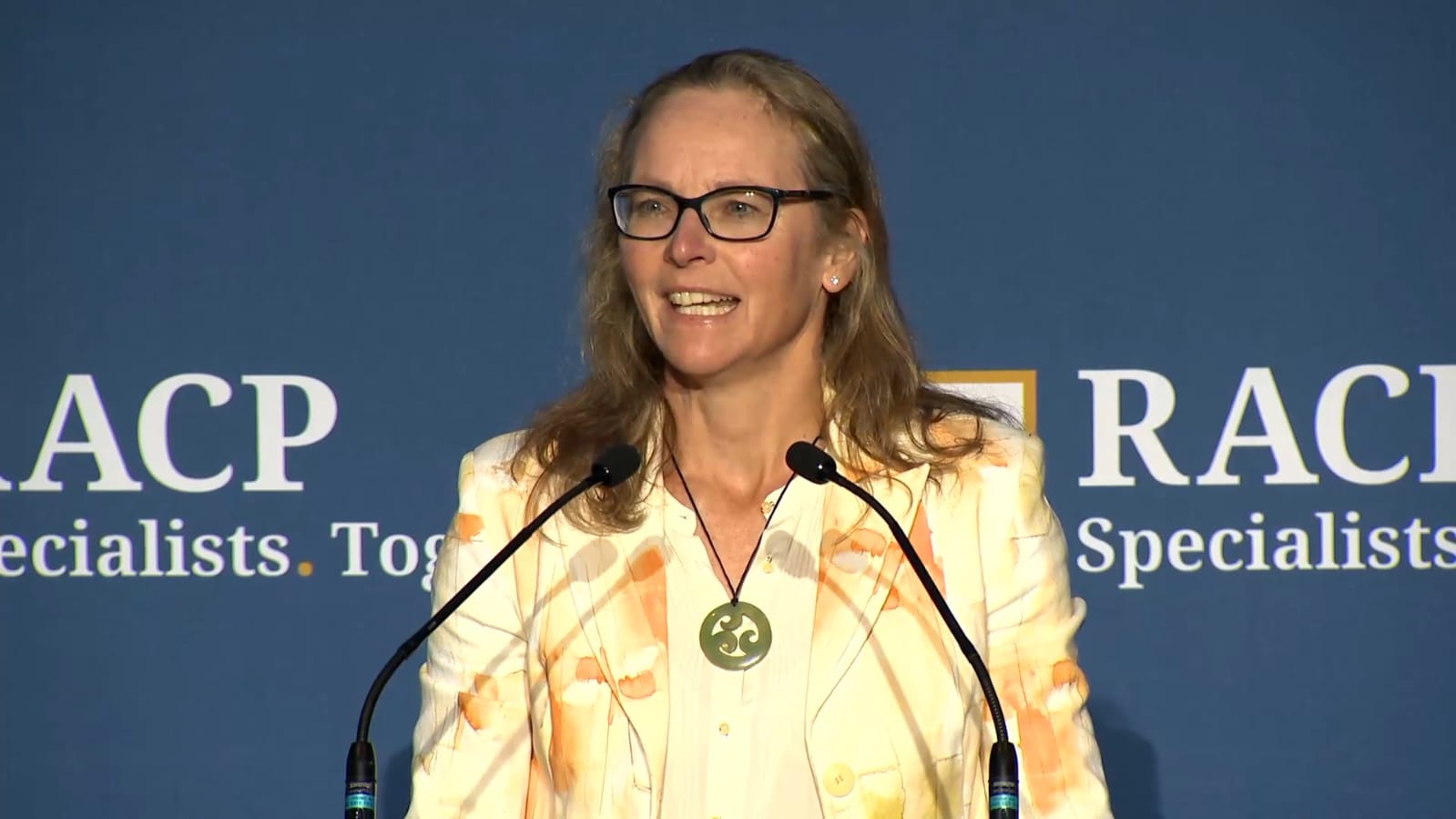
Tens of thousands of Australia’s most talented specialist doctors are watching in dismay as the board of the Royal Australasian College of Physicians (RACP) struggles to provide the confidence and stability our members deserve. This is the board I lead. When I took on the presidency, like many before me, I did not understand the scale of the challenge.
The conflict consuming us is not about policy or the needs of patients. It is about conduct – how doctors like me handle power, pressure, and each other. That alone should be a warning sign. Doctors are trained to diagnose and heal, not to govern large, complex organisations responsible for training and safeguarding the profession. I’ve learned this lesson up close.
When I first stepped onto the board, I assumed our years of clinical leadership would translate directly to governance. By the time doctors realise how wrong this is, it’s time to pass the baton on. We can hold our own in theatres and high-stakes health emergencies, but we struggle to follow the language of risk committees or to interrogate a set of financial statements. I include myself. My colleagues – brilliant doctors every one – don’t have decades of experience running large organisations. The truth is, the skills that make us decisive in medicine can make us clumsy elsewhere, at times accompanied by some extreme hubris.
This is not a new problem. In 2018 the college faced public embarrassment after a failed exam delivery system left thousands of trainees in limbo. Reviews were ordered, systems rebuilt, and progress made. Yet from a board perspective, we find ourselves in the same position: disputes played out in the media, trust among members shaken, and energy drained away from what matters most. This has happened regardless of who holds the presidency.
The great irony, and a relieving one for patients and trainees, is that the RACP has delivered enormous reforms since the exam failure, and our systems are better and safer. The organisation is continuing an enormous program of improvements in every area, but Board conflict slows progress, saps energy, and damages trust. Members lose patience, staff lose morale, and trainees lose faith in the institution that is supposed to guide them.
This is not just an internal matter. The College sets training standards for the next generation of physicians. To continue to improve quality, governance must be strong. Patients and the public are entitled to ask serious questions.
The solution does not lie in swapping leaders in and out. It lies in reforming our constitution so that those with governance, finance, risk and culture experience share responsibility with medical leaders. A modern skills-based board, with a separate president who represents the profession and a chair who governs it, is the standard across Australia. We should be no different.
Other colleges have already moved. The Royal Australasian College of Surgeons recently adopted a new constitution creating a skills-based board. The Royal Australian College of General Practitioners separates the role of president from the role of chair. If surgeons and GPs can modernise their governance, physicians cannot continue to cling to outdated structures.
This isn’t radical. It is common sense. The Australian Institute of Company Directors and the Australian Charities and Not-for-profits Commission both set out clear principles: boards should have the skills to oversee complex organisations, and no one person should dominate by holding multiple roles. That is the standard for every major organisation in this country. The public has a right to expect that from us too.
I say this with respect for my colleagues. But too often, doctors believe clinical brilliance translates into every other domain. It doesn’t. We are excellent in theatres and clinics; we are far from fallible in boardrooms. That is not an insult – it’s a reality. I include myself in that description. Reform is not about diminishing doctors, but about protecting patients and the reputation of the profession. And if we care about the future of our profession, we should fix this.
Constitutional reform will not make our debates disappear. But it will put them on a firmer footing, with clearer roles and stronger guardrails. It will allow future presidents to focus on representing the profession, while chairs and skilled boards ensure good governance. That is how the college can regain the trust of its members, and how we can return to the work that really matters – advancing medicine for the patients and communities we serve.